Battling Cancer and Mental Health
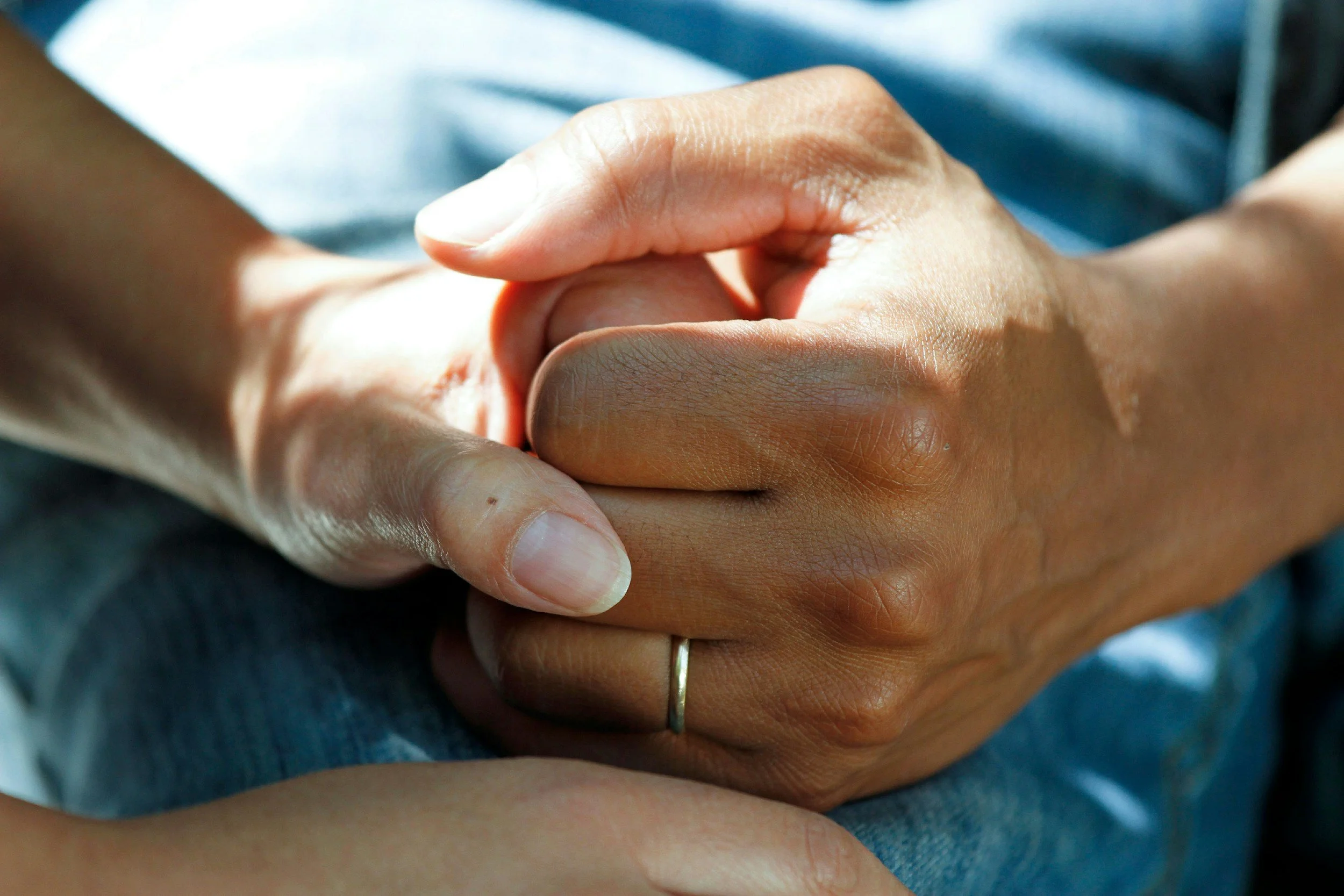
By: Dillon FountainAlmost everyone has met or known someone who has battled cancer. Cancer is a widespread and impactful disease that affects individuals, families, and communities alike. Alongside the physical burden of the illness, many patients experience significant mental health challenges. The most common psychological disorders associated with cancer include depression, anxiety, and post-traumatic stress disorder (PTSD). These conditions can manifest differently in each patient depending on their diagnosis, treatment experience, and personal resilience.
Anxiety often arises from fears surrounding diagnosis, treatment procedures, and uncertainty about outcomes. The cancer treatment process chemotherapy, radiation, and surgery can be both physically and mentally taxing. Patients frequently experience anxiety related to prognosis, fear of the unknown, and confronting their own mortality.
Depression is more than simple sadness; it involves a persistent feeling of hopelessness and loss of interest in daily life. For cancer patients, depression can stem from emotional and physical distress caused by fatigue, pain, changes in body image, and disruption to daily routines. Financial pressures and strain on relationships can further intensify these depressive symptoms.
PTSD may develop because of the trauma associated with diagnosis, hospitalization, invasive treatments, or the ongoing fear of recurrence. Feelings of powerlessness and loss of control over one’s health can trigger lasting PTSD symptoms that may persist long after treatment ends.
It is common for individuals facing these challenges to withdraw and isolate themselves. However, maintaining social connections and seeking support is crucial. Support groups play a vital role in helping patients and their families share experiences, gain strength, and reduce the emotional burden of illness. A truly effective approach to cancer care must integrate both physical and mental health support, extending not only to patients but also to caregivers and family members. The stress of managing medical, emotional, and financial responsibilities can weigh heavily on everyone involved.
Fortunately, there are many resources available to help cancer patients and their families—both financially and psychologically. Organizations such as the American Cancer Society, CancerCare, Family Reach, and the Cancer Support Community provide counseling, financial assistance, support groups, and educational materials.
In addition to professional help, lifestyle interventions—such as engaging in physical activity and spending time outdoors—have been shown to improve mood and reduce anxiety. While these activities can be challenging for those undergoing treatment, even gentle movement and brief time in nature can yield measurable mental health benefits.
ReferencesFereidouni Z, Dehghan Abnavi S, Ghanbari Z, et al. The Impact of Cancer on Mental Health and the Importance of Supportive Services. Galen Med J. 2024;13:e3327. Published 2024 Feb 26. doi:10.31661/gmj.v13i.3327
Mclaughlin, M., & Sanal-Hayes, N. E. (2025). Exploring the Role of Physical Activity in Individuals with Comorbid Cancer and Dementia: A Scoping Review. Dementia and Geriatric Cognitive Disorders EXTRA, 15(1), 132. https://doi.org/10.1159/000547553