Happy and Hydrated: Dehydration Linked to Depression
By Dillon fountainWhile some have found relief from the sweltering heat, others are not so lucky. Most people are concerned about sunburn and heat exhaustion; however, there is growing evidence that extreme heat and the dehydration that can accompany it may adversely affect mental health. Extreme heat has been associated with negative mental health outcomes, while dehydration can exacerbate fatigue, irritability, difficulty concentrating, and negative mood changes.
There is not a direct one-to-one relationship between heat, dehydration, and mental health disorders. Rather, these factors may contribute to the exacerbation of preexisting conditions. Available research suggests that physiological and environmental stresses associated with heat and dehydration can worsen mood and potentially increase vulnerability to mental health struggles.
Extreme heat has been linked to increased hospital visits and admissions related to mental illness. During periods of extreme heat, studies have found approximately a 9.7% increase in hospital attendance or admission for mental illness compared with non-heat-wave periods. Additional research has similarly demonstrated associations between higher temperatures and increased mental-health-related emergency department visits. Children and young adults are not necessarily spared from these effects. A 2026 systematic review and meta-analysis found that high-temperature exposure was associated with an 18% higher risk of hospital visits or hospitalization for depression among children and young adults.
Research has also examined the relationship between water consumption and depression. One large cross-sectional study found that lower water intake was associated with greater odds of depression and anxiety in adults. This does not necessarily mean that drinking more water prevents depression. People who remain adequately hydrated may also participate in other behaviors associated with a healthy lifestyle, and observational studies cannot establish a direct cause-and-effect relationship. Most importantly, water consumption should never be viewed as a substitute for appropriate mental health care.
Experimental research suggests that even mild dehydration can negatively affect mood and cognition. In a controlled study, the loss of approximately 1.36% of body mass through dehydration was enough to increase fatigue and total mood disturbance while decreasing vigor and concentration (Armstrong et al., 2012). Although symptoms such as fatigue, difficulty concentrating, and changes in mood can overlap with symptoms of depression, experiencing them during dehydration is not the same as having a depressive disorder. However, these effects may add to the burden experienced by someone already struggling with depression or another mood disorder.
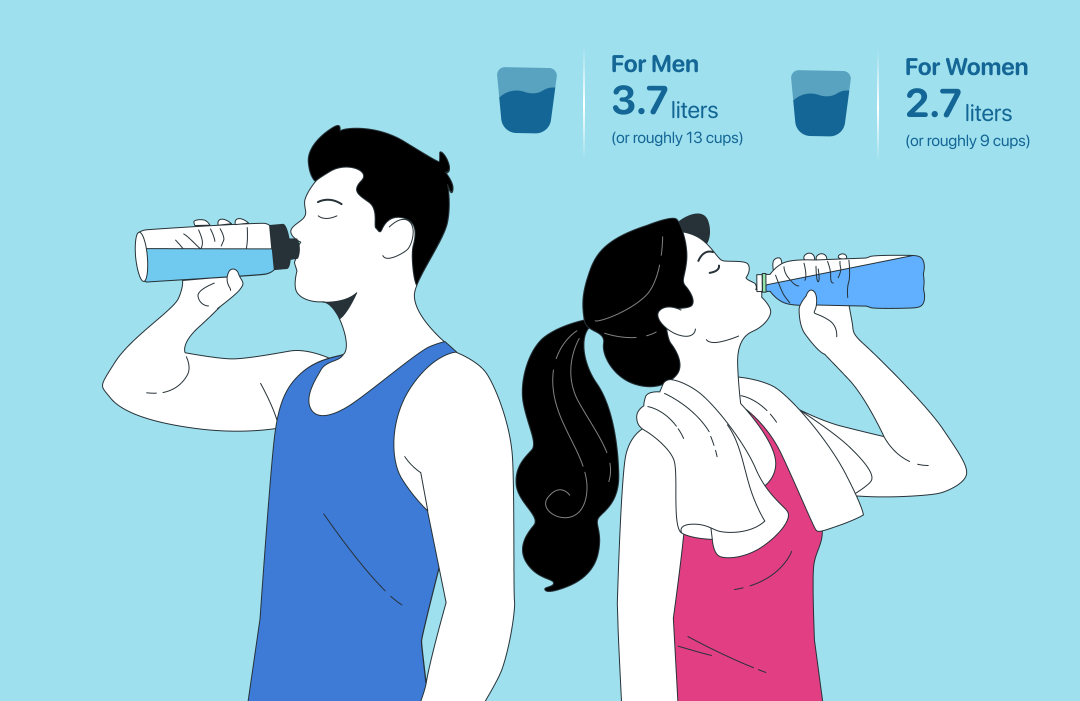
All of this is to say that dehydration and heat waves should not be considered direct causes of depression or other mental health disorders. Still, evidence suggests they can contribute to poorer mental well-being and may worsen existing symptoms. Likewise, hydration should not be considered a definitive treatment for mental health struggles. Staying adequately hydrated, however, may help reduce fatigue and negative mood while supporting concentration and cognitive performance.
So, until fall finally sets in, remember to stay hydrated, happy, and healthy.
References Armstrong, L. E., Ganio, M. S., Casa, D. J., Lee, E. C., McDermott, B. P., Klau, J. F., Jimenez, L., Le Bellego, L., Chevillotte, E., & Lieberman, H. R. (2012). Mild dehydration affects mood in healthy young women. The Journal of Nutrition, 142(2), 382–388. https://doi.org/10.3945/jn.111.142000 Haghighatdoost, F., Feizi, A., Esmaillzadeh, A., Rashidi-Pourfard, N., Keshteli, A. H., Roohafza, H., & Adibi, P. (2018). Drinking plain water is associated with decreased risk of depression and anxiety in adults: Results from a large cross-sectional study. World Journal of Psychiatry, 8(3), 88–96. https://doi.org/10.5498/wjp.v8.i3.88 Patsalos, O. C., & Thoma, V. (2020). Water supplementation after dehydration improves judgment and decision-making performance. Psychological Research, 84, 1223–1234. https://doi.org/10.1007/s00426-018-1136-y